Background
Kathoey performers, explained
Who kathoey are, the words Thai trans women use for themselves, why cabaret stages matter, where Thai drag shows began, and how to be a good audience.
Book an hour of sequins ↗Quick answer
Kathoey is a Thai word for people assigned male at birth who present as women or in a feminine way. Many Thai trans women call themselves phuying, woman. Kathoeys are unusually visible in Thai public life, yet discrimination still limits their work, and cabaret is one of the fields where many find jobs. In the theatre, treat the cast as you would any professional company.
The word and what it covers
Kathoey comes from Khmer and is used in Thailand, Laos and Cambodia for people assigned male at birth who present as transfeminine or effeminate. It is often rendered as transgender woman in English, but the fit is loose: kathoey has also been used for gay men and, further back, for androgynous people. Many Thai trans women prefer other words for themselves, most often phuying, which simply means woman, or phuying praphet song, a second kind of woman. In some phrasings kathoey can be pejorative, so follow the lead of the person you are talking to.
Visible, and still held back
Kathoeys are more visible and more accepted in Thai culture than trans people are in most other countries. Several popular Thai models, singers and film stars are kathoeys; kathoey beauty contests are a common part of local fairs, and the biggest pageants are broadcast live on television. Acceptance has limits, though. Thailand's 2015 Gender Equality Act protects against discrimination on grounds of appearance, yet Thai law does not let people change the sex on their identity documents, and many face prejudice at school, at work and within their families.
Why cabaret stages matter
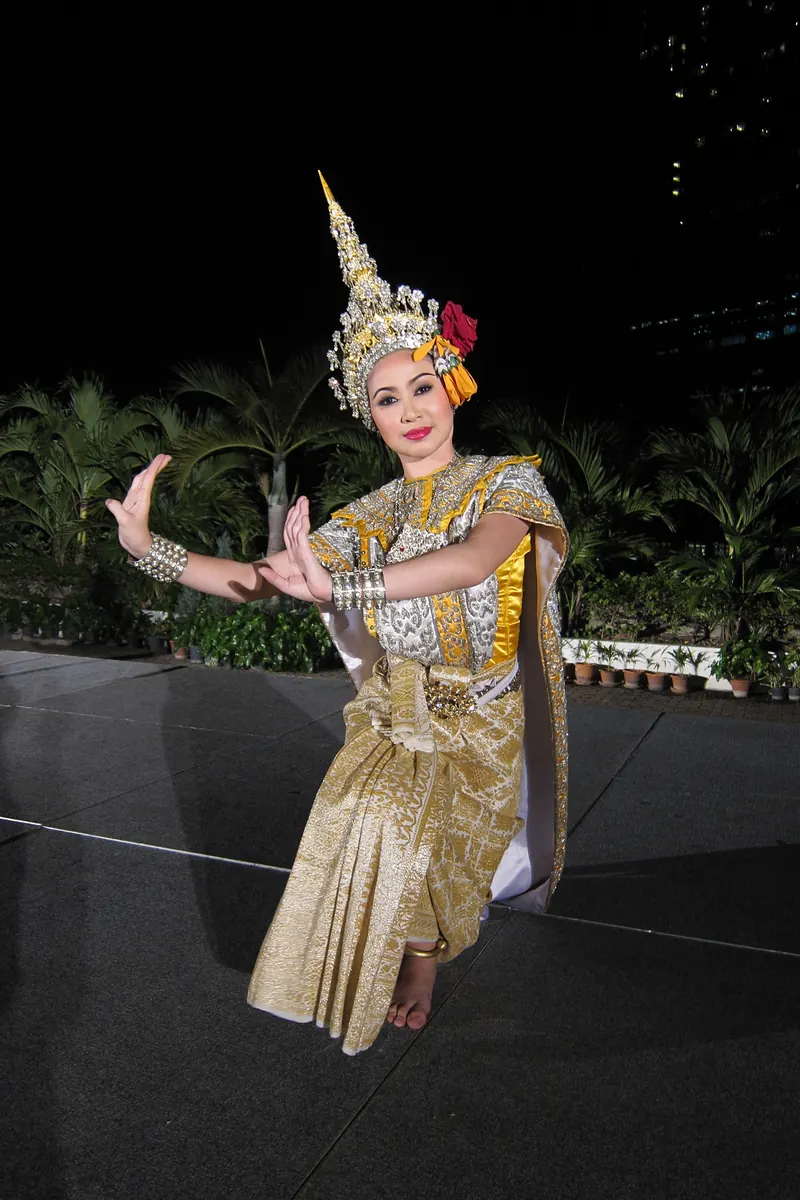
Many kathoeys work in shops, restaurants and beauty salons, and because discrimination closes so many other doors, many find work only in entertainment, where tourist venues and cabarets are among the employers. On a cabaret stage, being a kathoey is part of the job description rather than a reason to be turned away. When you buy a ticket, you are paying a company of professional dancers for an hour of rehearsed work, and that is the frame to bring with you.
Where Thai drag shows began
According to Wikipedia's article on drag queens, gay clubs and other queer spaces began opening in Thailand after homosexual acts were decriminalised in 1956, and that scene produced the first cabaret. Thai drag owes a debt to the Philippines: the first drag show started after the owner of a gay club saw drag performers from the Philippines in Bangkok. Drag shows began in Thailand in the mid-1970s and have grown steadily more popular, above all in the big cities. Today's cabaret revues for visitors sit at the polished, theatrical end of that history.
A thread back to southern dance
Gender-crossing performance in Thailand is not only a modern stage thing. In the south, the Nora dance, a spirit-medium tradition, was traditionally performed mainly by men. Women and kathoeys have since become a growing share of its performers, and by 2014 most male performers were either gay men or kathoeys. Phuket sits in that southern region, and Nora is a reminder that Thai dance has long made room for performers who cross the usual lines between men's and women's roles.
Being a good audience
The show's own billing uses the word "ladyboy". In conversation, kathoey or simply performers, dancers or the cast are better choices, and woman is right for anyone who presents that way. Cheer the numbers you enjoy, ask before posing for a photo after the show, and pay the small fee for each picture without haggling. Skip questions about anyone's body or history that you would not put to a dancer at home. A cast that is treated as professional tends to give you a better photo and a warmer goodbye, and that small courtesy costs nothing.
Frequently asked questions
Is kathoey an insult?
Not in itself, but it can be, especially in some phrasings. Many Thai trans women call themselves phuying, woman. Cast, dancers or performers are always safe words.
Are the performers trans women?
Kathoey covers a range of people assigned male at birth who present in a feminine way, and individuals describe themselves differently. Treat each performer as the woman or artist she presents as.
Can I ask a performer about her life?
A short, friendly word after the show is fine. Personal questions about bodies or surgery are not; keep to what you would ask any dancer.
Sources